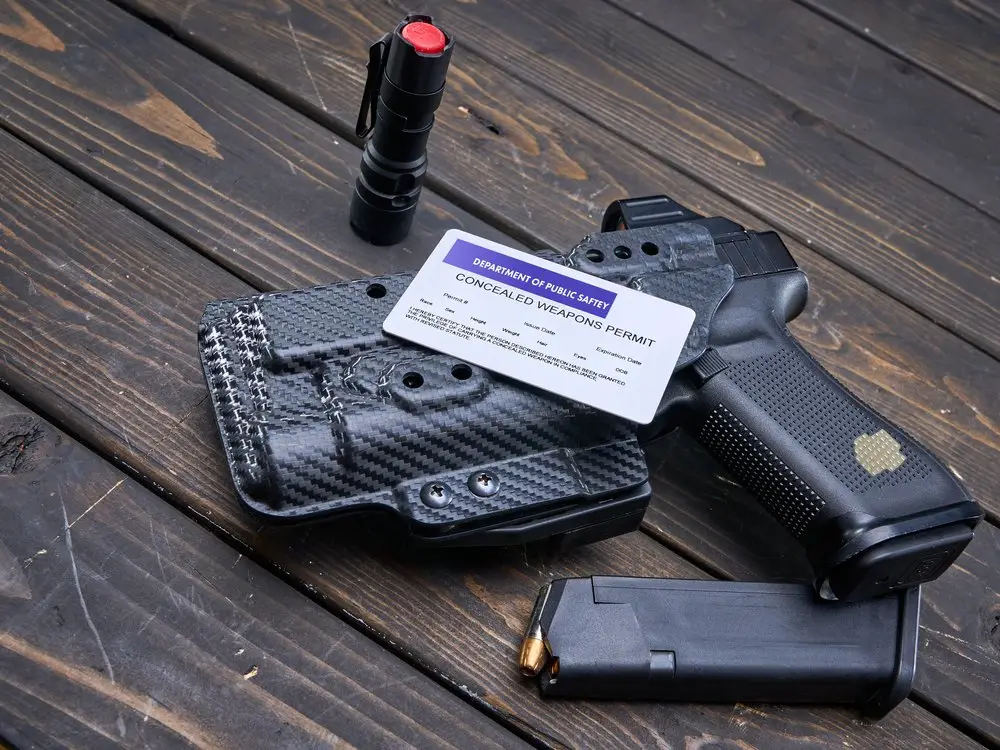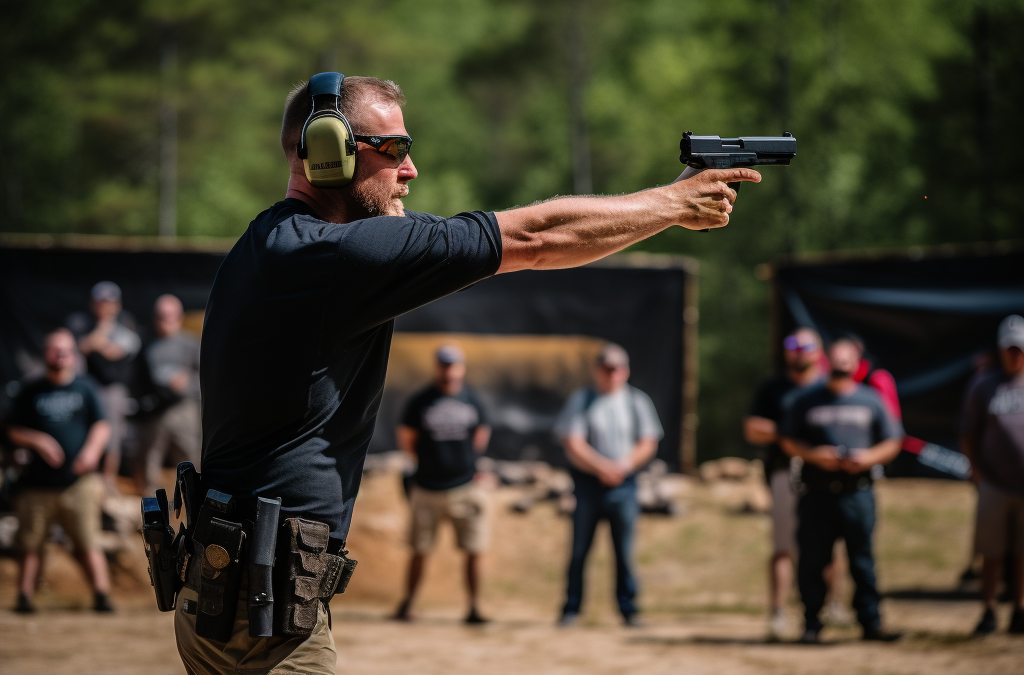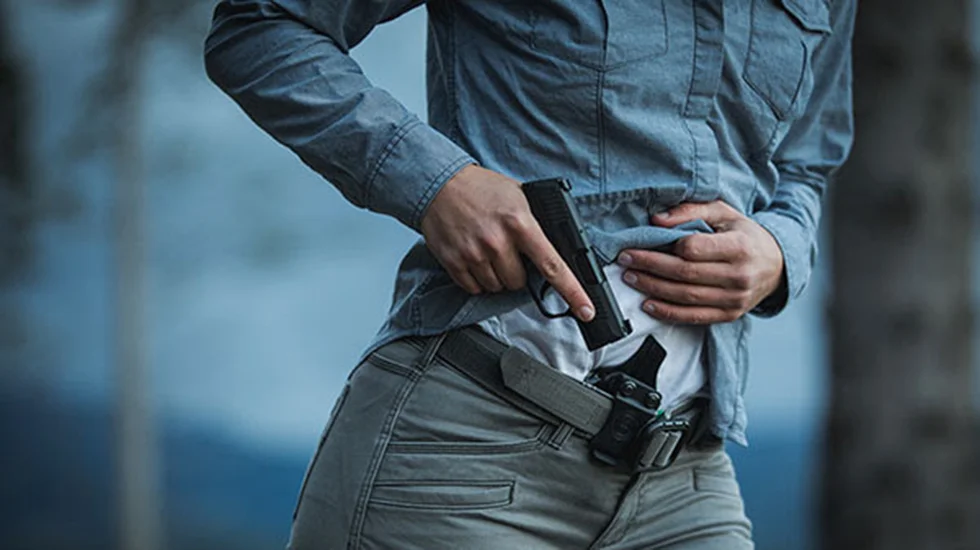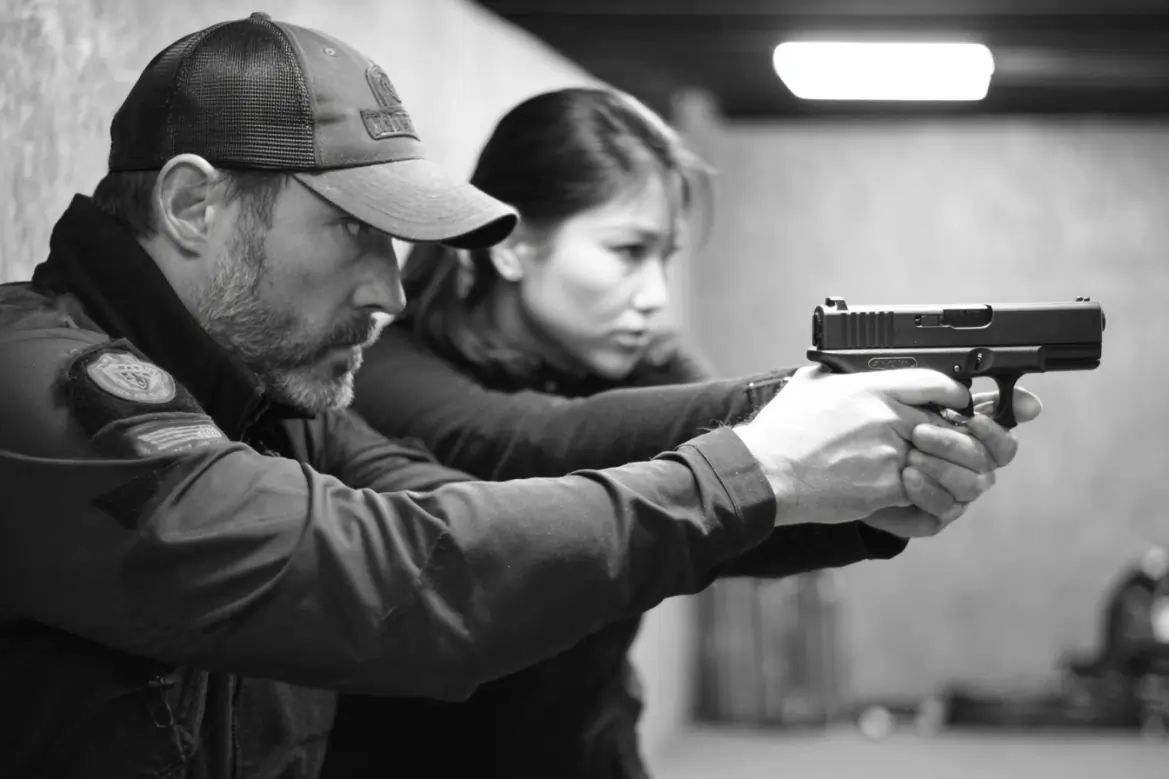
Concealed carry laws and regulations serve as the legal framework that governs how individuals can legally carry firearms in a concealed manner. Understanding these laws is essential for anyone considering concealed carry, as non-compliance can lead to serious legal consequences. Below, we explore the key aspects of concealed carry laws and regulations to help you navigate this important topic.
Federal vs State Jurisdiction
Concealed carry laws are primarily regulated at the state level, although certain federal requirements also apply. For example:
– Federal Law: The Gun Control Act of 1968 prohibits certain individuals, such as convicted felons or those adjudicated as mentally incompetent, from possessing firearms.
– State Laws: Every state sets its own requirements regarding licensing, training, and eligibility for carrying a concealed weapon (CCW).
It’s vital to research both federal and state guidelines before applying for a permit or carrying a firearm.
Common Requirements for Obtaining a Concealed Carry Permit
While requirements may vary between states, many jurisdictions share common criteria for issuing permits:
1. Age Requirement: Most states require applicants to be at least 21 years old. Some exceptions may apply to active-duty military personnel or others under specific circumstances.
2. Background Check: Applicants must typically pass a criminal history background check to ensure they do not have any disqualifying convictions or restraining orders.
3. Firearm Training: Many states mandate completion of an approved firearm safety course that includes both classroom instruction and hands-on training on safe handling practices.
Permitless Carry vs Shall-Issue vs May-Issue States
| Type | Description | Examples |
| Permitless Carry | No permit is required; individuals who meet basic eligibility criteria may legally conceal carry. | Alaska, Vermont |
| Shall-Issue | States are required by law to issue permits if applicants meet all predetermined qualifications. | Florida, Texas |
| May-Issue | Authorities have discretion in issuing permits even if applicants meet basic qualifications. | California, New York |
Restrictions on Where You Can Carry
Even with a valid permit, there are often restrictions on where you can legally carry your firearm. Common restricted areas include:
– Federal buildings (e.g., courthouses or post offices)
– Schools or educational facilities
– Airports and airplanes
– Private properties where firearms are prohibited by the owner
Failing to adhere to these restrictions can result in criminal charges or revocation of your permit.
Staying Informed About Changing Laws
Concealed carry regulations are subject to change due to new legislation at both state and federal levels. To stay compliant: – Regularly review updates from your local government. – Join organizations like the NRA Institute for Legislative Action (NRA-ILA) or other advocacy groups that track changes in gun laws. – Consult with legal professionals specializing in firearm law when needed.
By understanding the intricacies of concealed carry laws and regulations, you can ensure responsible firearm ownership while protecting yourself from potential liabilities associated with non-compliance.
Navigating Concealed Carry Virginia Laws and How They Compare to Other States
Concealed carry laws in the United States are complex and vary significantly from state to state. For individuals who wish to carry concealed firearms, understanding these differences is critical to ensure compliance and avoid inadvertent legal issues. Below, we’ll explore key aspects of how these laws differ across jurisdictions.
Permit Requirements
- Permitless Carry (or Constitutional Carry):
In some states, individuals may carry a concealed firearm without requiring a permit. These states typically allow law-abiding citizens to exercise their rights with fewer restrictions. Examples include states like Vermont, Alaska, and Arizona. - Shall-Issue Permits:
In shall-issue states, individuals who meet specific requirements (such as passing background checks or completing training) must be granted a permit by local authorities. Many states follow this model, making permits more accessible for lawful applicants. - May-Issue Permits:
May-issue states give discretion to local authorities when issuing permits, even if applicants fulfill all necessary requirements. Approval often depends on demonstrating “good cause.” States like New York and California historically fell into this category before recent judicial challenges.
Reciprocity Agreements
| State Acknowledgment | Description | Example States |
| Full Reciprocity | Recognizes all valid out-of-state permits | Idaho, Texas |
| Partial Reciprocity | Recognizes permits from select states based on agreements or similar standards | Florida, Pennsylvania |
| No Reciprocity | Does not recognize any out-of-state permits; only accepts its own issued licenses | California, Hawaii |
Before traveling with a firearm across state lines, it’s essential to research reciprocity laws for both your home state and your travel destination.
Training and Education Requirements
- Minimal or No Training Requirements:
Some constitutional carry states may not mandate formal training but still encourage responsible gun ownership through voluntary programs. - Basic Training Standards:
Most shall-issue or may-issue states require completion of basic safety courses covering topics such as firearm handling, storage practices, and self-defense laws. - Comprehensive Training Programs:
States like Illinois mandate extensive programs that include live-fire practice sessions in addition to classroom instruction.
Restricted Locations
- Federal buildings (e.g., courthouses or post offices)
- Schools (K–12 schools or college campuses in some cases)
- Airports beyond TSA checkpoints
- Private businesses restricting firearms through posted signage
It is critical to remain vigilant about restricted locations while carrying concealed in unfamiliar areas to avoid fines or criminal consequences.
Understanding how concealed carry laws differ across the country empowers you as a responsible gun owner. Staying informed ensures lawful travel with your firearm and promotes safe practices aligned with individual state regulations. Always consult updated resources before carrying concealed in any jurisdiction outside your home state.
Understanding Reciprocity Through Concealed Carry Classes in Washington DC
Reciprocity agreements between states are a key benefit for concealed carry permit holders, allowing individuals to legally carry their firearms across state lines. By understanding the concept of reciprocity and how it applies to your concealed carry permit, you can ensure that you remain compliant while traveling and enjoy greater flexibility as a responsible firearm owner.
What is Concealed Carry Reciprocity?
Concealed carry reciprocity refers to an agreement between states acknowledging each other’s concealed carry permits. Essentially, if your home state has a reciprocity agreement with another state, your concealed carry permit may be recognized as valid in that jurisdiction. These agreements streamline the process of legally carrying a firearm in multiple states without requiring individuals to obtain multiple permits.
Key Benefits of Reciprocity
- Ease of Travel
Reciprocity allows concealed carry permit holders to travel more freely across state lines without worrying about violating firearm laws in another jurisdiction. This is particularly useful for those who travel frequently for work or leisure. - Cost Savings
Without reciprocity agreements, gun owners might need to obtain separate permits for each state they plan to visit, which can be costly and time-consuming. A valid reciprocity agreement eliminates this expense. - Legal Protection
Carrying under a recognized reciprocity agreement ensures that you remain compliant with laws while traveling in participating states. This minimizes the risk of legal trouble due to misunderstandings or conflicting regulations. - Peace of Mind
Knowing your permit is recognized beyond your home state provides confidence and security while traveling with a firearm, especially when safeguards are needed during potentially dangerous situations.
States with Broad vs Limited Reciprocity
| Approach | Description | Examples |
| Broad Recognition | Many states honor all valid out-of-state permits regardless of specific agreements | Arizona, Texas |
| Restricted Recognition | Some states only accept permits from states where formal agreements have been signed | Florida, South Carolina |
| No Recognition | Certain states do not honor any out-of-state permits | California, New York |
It’s essential to research the policies within each state you plan to visit since laws regarding reciprocity can change frequently.
Tips for Responsible Firearm Owners Traveling with Reciprocity
- Research Laws Ahead of Time: Familiarize yourself with the concealed carry laws and restrictions of any destination state.
- Secure Proper Documentation: Always carry your valid concealed carry permit along with government-issued identification.
- Understand Local Restrictions: Be aware that some locations within reciprocal states (e.g., schools or government buildings) may still prohibit firearms.
- Stay Updated on Changes: State-level regulations on reciprocity are subject to updates; check official websites regularly before travel.
Reciprocity offers significant advantages for concealed carry permit holders by simplifying multistate travel and reducing legal risks. However, it requires careful adherence to varying local rules and regulations as part of responsible ownership practices.
How Concealed Carry Can Help You Protect Your Loved Ones in Critical Situations
Carrying a concealed firearm is a significant responsibility. For those who choose to carry, one of the primary motivations often centers on the ability to protect themselves and their loved ones during critical situations. This section will explore how concealed carry can provide an added layer of protection during emergencies, strategies for responsible use, and the importance of preparation.
The Role of Concealed Carry in Personal Protection
When faced with a life-threatening situation, having access to a concealed firearm may offer an opportunity to neutralize threats and safeguard those around you. Here are some ways concealed carry can assist in protecting loved ones:
– Immediate Response: In emergencies such as home invasions or active shooter scenarios, seconds matter. A concealed firearm provides an immediate means of defense when law enforcement may not arrive in time.
– Increased Situational Awareness: Concealed carriers often develop heightened situational awareness as part of their training. This awareness helps individuals recognize potential threats early and implement proactive safety measures for their loved ones.
– Deterrence Factor: The possibility that someone in a group is armed can act as a deterrent to would-be attackers, reducing the chance of violence escalating.
Strategies for Effective Protection
Protecting your loved ones through concealed carry extends beyond simply carrying a firearm; it requires strategy and preparation:
1. Conflict De-escalation Skills
– Whenever possible, avoid physical confrontation by de-escalating conflicts using verbal communication or safely removing yourself and your family from dangerous situations.
- Ensure your firearm is securely holstered but accessible if needed during an emergency situation to avoid accidental discharge or mishandling.
- Discuss emergency plans with your family so everyone understands what actions to take if danger arises (e.g., safe exits, calling 911). Consider practicing these plans periodically.
- Familiarize yourself with local self-defense laws so you can make informed decisions about when the use of force is justified.
The Importance of Training for Critical Situations
| Type of Training | Benefits |
| Defensive Shooting Classes | Develops accuracy under stress and teaches how to react effectively in high-pressure situations. |
| Scenario-Based Training | Simulates real-life encounters to help sharpen decision-making skills when protecting others under duress. |
| Regular Range Practice | Builds proficiency with your chosen firearm platform while maintaining confidence in your abilities. |
Balancing Protection and Responsibility
- Always follow the four cardinal rules of gun safety: Treat every gun as if it’s loaded; never point it at something you don’t intend to destroy; keep your finger off the trigger until ready to shoot; be certain of your target and what lies beyond.
- Avoid unnecessarily drawing or brandishing your weapon unless faced with imminent danger.
- Stay updated on laws governing justified use-of-force scenarios within your jurisdiction.
By taking these steps seriously, responsible carriers can use their tools effectively while minimizing risks associated with misuse or poor judgment.
Expanding Your Firearm Safety Knowledge for Responsible Concealed Carry
Carrying a concealed firearm comes with significant personal and societal responsibilities. Deepening your knowledge of firearm safety is a critical component of being a responsible concealed carry permit holder: https://www.openarmsinstruction.com/virginia-concealed-carry-permit.
Whether you are new to carrying or have been doing so for years, continually expanding your understanding ensures you remain cautious, prepared, and accountable.
The Core Rules of Firearm Safety
- Treat every firearm as if it is loaded. Always assume a gun is loaded unless you personally confirm otherwise.
- Never point your firearm at anything you do not intend to destroy. This minimizes the risk of accidental injury or property damage.
- Keep your finger off the trigger until ready to shoot. This prevents unintentional discharges caused by adrenaline or misjudgment.
- Be sure of your target and what lies beyond it. Understanding what’s behind your target ensures innocent bystanders or property are not harmed.
Importance of Regular Training
Firearms training should not stop once you’ve obtained your permit; regular practice keeps your skills sharp and develops good habits under stress.
- Range Practice: Visit shooting ranges frequently to practice accuracy and safe handling in controlled environments.
- Incorporate drills like drawing from concealment, reloading under pressure, and rapid decision-making scenarios.
- Scenario-Based Training: Seek courses that simulate real-world scenarios where split-second decisions are required.
- Examples include moving target drills, low-light shooting exercises, or de-escalation tactics while armed.
Additional Resources for Safety Knowledge
| Resource Type | Example Organizations/Options | Benefits |
| In-Person Training | NRA Certified Courses, Local Gun Ranges | Hands-on experience with instructors |
| Online Classes | USCCA Online Training Programs | Convenience and flexibility |
| Books & Manuals | “The Law of Self Defense” by Andrew Branca | Deep dives into legal aspects |
| Industry Experts | Concealed Carry Podcasts/Blogs | Up-to-date advice from professionals |
Legal Knowledge: A Vital Component
Expanding safety knowledge also includes staying up to date on local laws surrounding concealed carry. State regulations vary widely in terms of where firearms are permitted (e.g., schools, government buildings) and how they must be stored or transported.
- Research state-specific “No Gun Zones.”
- Understand reciprocity agreements if traveling interstate with a concealed weapon.
- Review self-defense laws such as “stand-your-ground” or “duty-to-retreat” policies applicable in your area.
Cultivating Responsible Habits
- Regular Maintenance: Clean and inspect your firearm regularly to ensure reliable operation.
- Secure Storage: Use safes, lockboxes, or trigger locks when not carrying to prevent unauthorized access.
- Mental Preparedness: Be aware that carrying means being prepared for potential life-or-death situations—and making decisions accordingly.
Expanding safety knowledge isn’t just about protecting yourself; it’s about protecting everyone around you while fostering public trust in responsible gun ownership practices.
Confidently Carry with the Proper Training and Preparation
Carrying a concealed firearm is a significant responsibility that requires more than simply owning a weapon. Proper training and preparation are essential to ensure you can handle your firearm responsibly, safely, and effectively in any situation. Below, we’ll explore key areas of focus to help you carry with confidence.
The Importance of Comprehensive Firearm Training
- Safe loading and unloading practices
- Trigger discipline
- Mastering grip and stance for accurate shooting
- Practicing proper sight alignment and sight picture
- Engaging targets at varying distances
- Developing muscle memory for consistent performance
- Identifying potential threats in real-world environments
- Simulating high-pressure scenarios to improve decision-making
Attending a certified concealed carry training course ensures you learn these skills under professional supervision.
Legal Knowledge: Understanding Your Rights and Responsibilities
- State-Specific Laws: Each state has unique laws regarding where you can carry, prohibited locations, and how to engage in self-defense legally.
- Reciprocity Agreements: If you travel with your permit, ensure you’re aware of which states honor it through reciprocity agreements.
- Use-of-Force Laws: Familiarize yourself with local guidelines on the justified use of force for self-defense or protecting others.
Remaining informed about these legal aspects reduces the risk of unintentionally violating regulations or facing legal consequences.
Preparing for Real-Life Scenarios
- Mental Conditioning: Train yourself to remain calm under pressure by simulating stressful scenarios during practice sessions.
- Conflict De-Escalation: Not every situation requires drawing your firearm; learning verbal conflict resolution techniques is equally important.
- Aftermath Preparedness: Understand what steps to take after a defensive incident, such as contacting law enforcement or seeking legal counsel.
Gear Selection for Comfortable Concealed Carry
| Category | Considerations |
| Firearm | Choose a reliable model suited for concealed carry (e.g., compact or subcompact pistols). |
| Holster | Invest in a comfortable holster offering secure retention and easy access (inside-the-waistband (IWB) holsters are popular). |
| Clothing | Wear attire that conceals your weapon without printing while allowing quick access. |
Testing your gear during regular training sessions ensures functionality when it matters most.
Proper training combined with thorough preparation is key to responsible concealed carry. By committing time to skill development, staying informed about laws, preparing mentally for emergencies, and selecting appropriate gear, you’ll be equipped to confidently navigate the responsibilities associated with carrying concealed firearms responsibly.
Carrying with Caution: Tips for Safe and Responsible Concealed Carry
Carrying a concealed firearm is a serious responsibility that requires careful thought, preparation, and adherence to safety principles. To carry safely and responsibly, it is essential to cultivate good habits, remain informed about laws, and consistently prioritize the safety of yourself and those around you. Below are some practical tips to help ensure responsible concealed carry.
Prioritize Firearm Safety Rules
By internalizing these rules, you reduce the likelihood of accidents or negligent discharges.
Choose the Right Holster
- Retention: Look for a holster with proper retention mechanisms that securely hold the firearm in place.
- Trigger Coverage: Ensure the trigger guard is fully covered to prevent accidental discharges.
- Comfort: Opt for a holster that suits your body type and preferred carry position (e.g., inside-the-waistband or appendix carry).
- Durability: High-quality materials like Kydex or leather can ensure long-lasting performance.
A reliable holster minimizes risks while allowing for quick access when needed.
Stay Aware of Your Surroundings
- Avoid distractions such as excessive phone use in public.
- Identify potential threats by observing people’s behavior closely.
- Be familiar with escape routes or safe zones in crowded areas.
- Trust your instincts; if something feels off, remove yourself from the situation.
Maintaining vigilance not only improves personal security but also reduces the likelihood of needing to use your weapon.
Maintain Proper Training
Owning a firearm does not automatically make someone proficient in its use under stress. Regular training is essential for developing skills such as drawing from concealment, marksmanship, reloading efficiently, and decision-making under pressure.
- Practice at live-fire ranges where defensive scenarios can be simulated.
- Engage in dry-fire drills at home (with an unloaded weapon) to improve draw speed and accuracy.
- Attend professional courses focused on defensive shooting techniques.
Training not only enhances proficiency but builds confidence when carrying daily.
Understand Local Laws
Each state—and sometimes local jurisdictions—has unique laws governing concealed carry practices. Ignorance of these laws can lead to legal complications even if you act with good intentions.
| Topic | Questions to Address |
| Permit Requirements | Do you need a permit? What are renewal processes? |
| Restricted Locations | Where are firearms prohibited (e.g., schools, government buildings)? |
| Self-defense Laws | What does local law say about “stand-your-ground” or “duty-to-retreat” principles? |
| Reciprocity Agreements | Is your permit valid when traveling out-of-state? |
Researching these details ensures compliance wherever you choose to carry.
Regular Maintenance of Your Firearm
- Remove dirt or residue buildup from internal parts using appropriate cleaning tools.
- Check springs, pins, magazines, and other components for wear or damage.
- Test functionality during live-fire sessions after maintenance routines.
Proper upkeep guarantees reliability when it matters most.
By embracing these strategies with diligence, any individual can practice responsible concealed carry effectively while minimizing risks associated with carrying a firearm daily.
- Essential Information About Obtaining a Virginia Concealed Carry Permit
- Navigating Concealed Carry Virginia Laws and Workplace Regulations
- Comprehensive Guide to Concealed Carry Virginia: Workplace Safety Measures, Laws, and Best Practices
- Exploring the Surge in Concealed Carry Virginia Permits and National Trends
- How to Obtain a Virginia Concealed Carry Permit: Everything You Need to Know
- Essential Tips to Prepare for Your Virginia Concealed Carry Permit Class
- Step-by-Step Guide to Concealed Carry Classes in Washington DC for Obtaining Your Permit